Sunday, June 30, 2019

Summer and the time for Joy, Why am I so anxious? by Julia


Summer and the time for joy/ Why am I so anxious?
– by Julia Holloway

Summer has arrived in Seattle and with it comes the rush of fun, friendship, sun and everything we’ve wanted to fit into our social lives all year.  It feels like a frenzy of emotions and desires and plans. Already it feels as though you’re running out of time and you’re acutely aware that it will come to an end all too quickly.

In Chinese Medicine, Summer is associated with the element of Fire which is meant to illuminate our inner being, bring sparks to our creative energies and allow us to bask in the enjoyment of others.  Summer in Seattle specifically, means reckoning with light VERY early and light VERY late, with knowing this beautiful perfect weather must be taken advantage of and therefore not knowing how to rest. 

The truth is, the body has a hard time relaxing when it feels like our duty to take full advantage of this northern light. What I notice with most of our clients here at The Pin Cushion is a mix of excitement coupled with complete and total exhaustion, leading to some form of anxiety.  Nobody can understand why she/they/he feel so tired or overwrought.  Well, let me be the first to tell you that this transition, though exciting, is tough because you are human and change is hard.   We want the energy to be able to say yes to all the invitations that beckon us to stay up, stay out, be creative, make plans and enjoy each other.  It is important to get support in helping our bodies transition into summer so we may fulfill our plans with ease, breath, love and lightness. It’s the time for joy, the time to let it all bloom and let our best selves relax into it.

I invite you to come see any of our amazing practitioners here at The Pin Cushion for the perfect summer treatment that will help relax your system so you can truly enjoy this veritable paradise we live in.

See you soon!!

Thursday, September 3, 2015

A Simple Message


By: Jeremy Gilsoul


You know if you’re anything like me you’ve had an emotional outburst from time to time. You’ve probably experienced a searing sensation of anger, perhaps the weight of sadness, the emptiness of fear, even the bitterness of jealousy.

The problem with these emotions isn’t that you have them. The problem is that too many of us dwell in them and don’t understand what these emotions are telling us.

Allow me to digress for just a moment. We’re all familiar with Past, Present, and Future. These three concepts of time dominate so many of our lives and so much of our success or lack there of depends on our understanding of these concepts.

Far too many people are holding on to the past, carrying it like bricks through their lives. For others we are focused on the future, always trying to get somewhere else, planning, strategizing, preparing. And all the while we’re dwelling on the past or making preparations for the future we are not in the moment of the present. Which is the one and only place we can actually effect change and create action in our lives.

So now what about the emotional thing I was ranting about above you ask?

Well did you know that those emotions are based on the same three concepts?

I assure they are, think about it, it is not possible to be mad about the present. When you are angry all of your energy and thoughts are being focused on the past event that lead you to have anger. Sadness too is an emotion based on the past. Fear is an emotion based solely on the future. Fear is often described as an acronym meaning False Expectations Appearing Real. These are “what-if” scenarios that are rooted in wasted fantasy. Jealousy is interesting as it expresses both the past and the future. Being jealous of time not spent or an experience that has passed or of the those that have not yet occurred.

So what emotion can we experience in the present moment?

Happiness! Happiness is not something that lives in the past nor is it something that hides in the future, it is the understanding and the acceptance of the present moment and the expression of joy for being truly aware of it!

My message today is simple.

Waste no more time fighting your emotions or clinging to them. If you’re angry be so, then let it go and move on. If you’re sad express it and focus on the positive for it is there. If you’re full of fear confront it by realizing that most of your fears have never come true outside your imagination and that you’ve never been able to not handle every challenge you’ve encountered thus far. Do not succumb to jealous impulses for they do not serve you.

Happiness however, is a dish best served now!

Remember to and focus on laughing. Laugh hard and laugh often.

Remember to take a deep breath and look around, I assure you something is happening.

Are you paying attention? Remember that we’re not dying from the moment we’re born, we’re living! You only start dying when you fail to live in the moment!

Be well!

Thursday, August 6, 2015

General Nutrition Suggestions for PMS

PMS is something that can be managed will with acupuncture and nutrition. Acupuncture can help with the smooth flow of qi and blood, while foods can help nourish deficiencies, replenish blood, and improve overall well being.

The suggestions given here are general recommendations that would be beneficial and healthy for most women. Much of this advice was taken from Paul Pitchford's book Healing with Whole Foods. (Find it at the Seattle Public Library or on Amazon)Please refer to it for further suggestions and specific ideas for other menstrual disorders.

Sufficient intake of essential fatty acids helps alleviates cramping and pain, and can improve mood as well.

Specifically, ALA (alpha linolenic acid) and GLA (gamma linolenic acid) are most beneficial.

Sources of ALA: green vegetables, chlorophyll rich foods such as spirulina and chlorella, cold-pressed flaxseed oil. DHA and EPA are metabolites of ALA and are predominantly found in fish such as salmon, tuna, and sardines. Vegetarians can find flaxseed oil with algae sourced DHA/EPA added.

Sources of GLA: evening primrose oil, black currant oil, borage oil, and spirulina.

Iron helps replace blood lost during menstruation. Most animal products such as red meat, turkey, and sardines are plentiful in iron, and vegetarian iron-rich foods include lentils, beans, spinach, and again, spirulina. Most whole grains and dark leafy greens have at least some iron and it all adds up. Cooking in cast iron is another great solution.

Vitamin C helps your body absorb iron, so it's important to include to get the most nutritional value out of the foods you are eating. Almost all fresh fruits and vegetables have at least some Vitamin C, and especially good sources are bell peppers, kale, broccoli, brussels sprouts, cabbage, kiwi fruit, papaya, oranges, and strawberries.

Photo credit to Wikimedia Commons, Medical talisman for menstrual issues

Wednesday, July 15, 2015

Eczema & How Chinese Medicine Can Help

Signs & Symptoms
People with eczema have patches of skin that become inflamed, red and itchy. These patches can appear anywhere on the body. Eczema most commonly appears on the face, neck and the insides of the elbows, knees and ankles. Symptoms vary depending on the person and type of eczema, but typically include:
·         Dry, reddened skin that itches or burns
·         Blisters and/or oozing lesions
·         Dry and/or scaly, thickened skin
·         Moderate to severe itching
Three main pathogenic factors:
·         Wind: Characterized by sudden onset and development, change from one place to the other, and generalized itching
·         Dampness: Manifests as puffiness of skin, vesicles or papules and oozing of fluid
·         Heat: Tends to manifest as a burning sensation, redness and swelling

Eastern medicine’s approach to eczema is based in its understanding that the body is a holistic system. Everything from the conditions in your gut to the flow of Qi through the body’s main channels/meridians affects the health of the skin. For example, the lungs are primarily in charge of the skin’s health. Excess heat and dampness in the lungs are common causes of eczema. The spleen and stomach play similar roles in managing levels of heat and dampness on the skin. The liver also plays a role in eczema by its detoxification of blood. When blood has high levels of toxins, red itchy patches will become more inflamed. Eczema is a condition that’s triggered by allergens and is often seen in people who also suffer from asthma. Stress is also a major component of eczema, which leads to more flare-ups.
Through acupuncture, the Qi of these organ systems are balanced and allowed to flow freely to achieve optimum skin health. In addition to disruptions in Qi and toxin build-up, unhealthy or inappropriate diet contributes to skin problems. The health of the gut is very strongly correlated to the skin. Many people with eczema have reported that certain foods seem to trigger their condition while others don’t and vice versa. One option for eczema sufferers is eliminate inflammatory foods. When these foods are removed from the diet and inflammation is reduced, one will begin to see improvements in not just the skin, but in overall health and well-being. A healthier diet can make a big improvement in skin and allow you to achieve optimum health.
A great product to help with the red, itchy, dry symptoms of Eczema is Spring Wind Ointment that we carry here at our clinic.
Stayed tuned for more info on Eczema...
-By Alex Flores, EAMP

Thursday, June 18, 2015

Summer Soltice: Maximum Yang

As we near the solstice, the yang qi of the environment is rising to its peak. In Seattle, a relatively cool and damp place, this is a great thing, however, depending on your constitution, it can be problematic. In particular, getting to sleep at a reasonable hour can be quite challenging, what with there being light in the sky passed 10pm. Part of the solution is to actually go to bed at your typical bed time even though there's still a significant amount of light: start your pre-sleep ritual at least 20-30 minutes before the time you want to get to sleep. Reading a bit before bed is a great way to stabilize the spirit so that it naturally settles in its abode of the Heart when you're finally ready to shut your eyes.
If you're performing your regular ritual at your usual bed time and still having difficulty sleeping, try a hot foot bath right before bed. The water is yin and the warmth is yang. This is an image of sleep: yang resting within yin; the warmth of the water helps guide the restless and excited yang qi down and into the yin, promoting the energetic qualities of natural sleep. Just remember to dry your feet before getting into bed!

Authored by: David Derdiger

Monday, May 11, 2015

Humanistic Medicine

A patient recently commented on the poster in our lobby and I thought our readers might be interested in seeing it, too*

Working Definition of Humanistic Medicine


The person cannot be seen simply as his disease nor can the health professional limit his expertise to medical technology. The full healing potential of their relationship often depends on their interaction as whole human beings and far exceeds the treatment of disease.
Every person achieves a unique interdependent relationship of body, mind, emotions, and spirit, inseparable from other individuals and society. Illness can best be understood as a disturbance within the dynamic balance of these relationships. Health may be defined as the harmony of the whole and the work of the health professional as aiding in the re-establishment of a more fully conscious equilibrium within the whole.
The person and the health professional are colleagues. Their collaboration activates the latent human and biological resources within the patient for healing. The patient is encouraged to be aware of his choices and become increasingly responsible for his own health, growth, and fulfillment.
Illness may provide an opportunity for personal growth. The experience of disease may be used creatively to re-evaluate life goals and values, provide clarity in setting priorities and mobilize previously untapped strengths. The health professional enables the patient to evolve a positive value from the experience of disease, to maintain identity and reaffirm dignity as a person.
Illness must be seen in the context of the life span of the individual. Indeed, it may have a unique meaning when seen in reference to the total life of the patient. Physical disease and emotional suffering have an individual message for each patient,  yielding information about such personal issues as lifestyle, self-worth, and the value of time. The knowledge gained through the understanding of this individual meaning may enable the patient to enrich the quality of his or her life.


*Of course Julie found it at Goodwill, she's got an amazing eye for bargains!

Wednesday, April 8, 2015

What to do for soft tissue injuries (Part 2 of 2)


In Chinese medicine, when an acute traumatic injury occurs there are four results: heat, blood stasis, fluid accumulation, and qi stagnation. The heat you can obviously feel with your hand and see from the reddened tissue; the blood stasis is evident in the bruising; the fluid accumulation is obviously seen with the swelling; the only thing not obvious to a lay person is qi stagnation, which to a practitioner of Chinese medicine is evidenced in this case by the experience of pain.

In Chinese medicine, lack of movement or impediment to the pathway of movement is the root of pain. In the case of a traumatic injury, the stagnation of qi and blood allows the fluids to accumulate and produces incredible heat, which is not only itself a source of pain, but further damages the blood and increases stasis. To treat this in Chinese medicine, we use herbs that clear heat, cool the blood, move blood stasis, and reduce fluid accumulation. These herbs are prepared in a way so they can be externally applied to the site of the injury, their medicinal properties absorbed through the skin, penetrating directly into the traumatized tissue.

A classical formula for this purpose is called San Huang San (“Three Yellows Powder”), and it primarily clears heat, cools the blood, and reduces fluid accumulation. The formula is often modified to include herbs that more strongly clear heat and invigorate the blood to hasten the process of turning the initial painful stage of an acute injury into healing. Such a modified version of San Huang San, called Ice-No-More is prepared in a natural alternative to petroleum jelly and ready to apply the moment after an injury occurs. Put on a layer 1/8”-1/4” thick, cover with plastic wrap (to prevent the staining of fabric), and leave in place for 24 hours. Look for Ice-No-More on the shelves at The Pin Cushion and keep it at home in your medicine cabinet or first aid kit. Stop putting ice on your injuries, start healing faster, and ensure an overall stronger tissue by using an acute-stage, heat clearing, qi and blood moving soft plaster like Ice-No-More, or any other Chinese medicine trauma liniment designed with the same intention.


Wednesday, March 18, 2015

Moxa

Has your practitioner given you a moxa stick, but you're not sure what to do? Here are some instructions to get you started on the path to being a moxa pro!


Use a candle or lighter to light one end of the moxa stick. Keep the stick in contact with the heat source until it begins to smolder a bit. (You can test the heat of the stick by placing it a half inch to an inch above the back of your hand. When you feel a pleasant warmth the stick has been heated correctly). You can also gently blow on the stick to help the process. Make sure to scrape the gray ash from the stick on the corner of a bowl or something metal.
The stick can now be held about an inch over any area (or corresponding acupuncture point) in which you feel pain, aches, cramps, or physical discomfort. Hold the stick just above the area to be treated low enough to feel a pleasant warmth, but high enough to prevent burning. Be very careful NOT TO LET THE MOXA STICK MAKE CONTACT WITH THE SKIN.
Make sure to ash stick every 2-3 minutes.
Move the moxa stick slowly over the area you are treating for 5-7 minutes. It should feel soothing and warm, but not too hot.
When you have finished the treatment, extinguish the moxa stick in a dish of salt or rice.
Repeat daily over area.


Thursday, March 5, 2015

Eat Congee, Make Your Spleen Happy!!

Spectacular Spleen Plush - Mean Spleen Fighting Machine
Traditional Chinese medicine (TCM) is founded on the theory that qi is the vital energetic life force that runs throughout our body. When we are born, we receive a certain amount of qi from our parents; qi can also be cultivated using energetic exercises such as tai chi or qi gong, but the majority of our post-natal qi is derived from the food we eat. Eating nutritious, whole foods is an important step in generating sufficient qi, but only if our bodies have the capability of processing these foods.

You will often hear TCM practitioners talk about your energetic Spleen. The TCM Spleen can be loosely translated to your digestion. Thus, it is an important TCM organ to nourish and replenish your qi. There are numerous ways to boost your Spleen, but one easy step is to feed yourself nutritious and easily-digested food first thing in the morning, while your body is still awakening and not quite functioning at its peak. I like to refer to this as "babying your Spleen" in the morning.

Congee, or "rice water", is a traditional breakfast dish enjoyed throughout China.* It is much more than a delicious way to start your day, it's an excellent meal to "awaken the Spleen," priming the body for a qi-filled day.

There are two different directions one can take when preparing congee depending on your taste preference- savory or sweet. It is important to note that when I use the term "sweet," I do not mean the candy-like sweetness we are used to in western society. By "sweet" I'm referring to a very mild sweet taste.

Preparation of your congee does not need to be exact, and can vary from day to day. You may find you like your congee a bit thicker, or more soupy. You might add carrots and mushrooms one day and kale the next. Below are two base recipes to use as-is or as a foundation for your own unique dish. My only caution would be to keep it relatively simple and use nutritious, whole foods.

Savory Congee:

 -white rice (1 cup)
 -chicken stock or water (5-7 cups)
 - fresh ginger (2-4 coin-sized slices)

 Add-ons: use 1-2 additional ingredients from this list.

 - carrot (~1 small, diced)
 - mushrooms (2-3, diced)
 - cooked squash (~1/2 cup)
 - chicken ( ~1/4 cup cooked)
 - kale or spinach (~1/2 cup chopped) add the last half-hour of cooking
 -(if your spleen is healthy)additional grains such as brown rice, millet, or quinoa.
 These grains can be used with white rice or as the primary grain in the congee

"Sweet" Congee:

 -white rice (1 cup)
 -milk alternative: almond milk, coconut milk, soy milk, etc. or water (5-7 cups)
 - fresh ginger (2-4 coin-sized slices)

Add-ons:

 -a pinch of cardamom and/or a pinch of cinnamon
 -berries of all kinds: blueberries, blackberries, raspberries, etc. You may want to
add these the last 20 minutes of cooking.

Cooking directions:

Bring the rice, broth, and veggies to a boil and reduce heat to stew ingredients together for 1-4 hours (or longer). The point is to create a soupy consistency where the rice has broken down. You may need to check the pot while cooking and add more stock/broth if the congee appears to be too thick. This is important, too much water/broth is better than too little*. It is also possible to cook your congee in a crock pot on low heat. Long and slow cooking is the best way to prepare this porridge-like dish. Many claim that the longer the congee cooks, the more "powerful" it becomes*. This recipe will make a nice amount of food, you can cook congee 1-2 times a week and store in the refrigerator to reheat for breakfast another day (it will keep 3-5 days).

Enjoy! By eating this easily digested congee in the morning your Spleen be happy and your digestion will be primed to easily assimilate the rest of your food for the day.


Rebecca Babik, EAMP

Sources:

-Pitchford, Paul. Healing with Whole Foods: Asian Traditions and Modern Nutrition.
North Atlantic Books, Berkeley CA. 2002.

-Photo credit to iheartguts.com

-me :)

Thursday, February 19, 2015

What (not) to do for acute soft tissue injuries (Part 1 of 2)

What (not) to do for acute soft tissue injuries (Part 1 of 2)


You're walking to your front door, up your front walk: you turn towards the peculiar sound of a bird to your right and... CRUNCH!!! You roll your ankle off the side of the walk, cursing profusely. You hobble inside and all you want is to get your shoe off as your ankle begins to swell. The pain and swelling are tremendous; what should you do once that confounding shoe comes off? Pop an Advil? Grab a bag of frozen peas and an ACE bandage, post up on the couch with an ottoman, a stack of pillows, and the first season of your favorite show?

Throughout most of our lives, we were taught that the best thing to do was to stop the inflammation process and reduce the swelling with anti-inflammatory medication, rest, ice, compression, and elevation (RICE). Both non-steroidal anti-inflammatory (NSAID) medications, such as ibuprofen, and ice ultimately result in a local decrease of inflammatory biochemicals at the site of injury. (Hertel 1997, Takagi R et. al. 2011). This would be great if decreasing inflammatory biochemicals led to quicker and more robust healing of injuries, but it doesn't, and in fact it may weaken the injured tissue and make it more susceptible to injury in the future (Hertel 1997, Tortland 2007, Reynolds 2009, Jam 2014).

The inrush of pain-producing inflammatory biochemicals to the site of an injury is a necessary process in response to physical trauma that transforms into a healing process roughly 24 hours after the initial injury. If that process is inhibited by anti-inflammatory medications, ice, or prolonged immobilization, the result will most likely be muscles, tendons, or ligaments that are much structurally weaker had those treatments not been applied (Hertel 1997, Tortland 2007, Jam 2014).
Part 2 of this blog post will cover some of the methods used in Chinese Medicine to treat acute soft tissue injuries.

For further reading on NSAID use in the treatment of acute soft tissue injury see:

"The Role of Nonsteroidal Anti-Inflammatory Drugs in the Treatment of Acute Soft Tissue Inuries" by Jay Hertel, MEd, ATC, Journal of Athletic Training, 1997, http://www.ncbi.nlm.nih.gov/pmc/articles/PMC1320354/

"Sports Injuries and Nonsteroidal Anti-Inflammatory Drug (NSAID) Use"  by Paul D. Tortland, DO, SPORTS Med (CSMS Committee on the Medical Aspects of Sports), Winter 2007

"Phys Ed: Does Ibuprofen Help or Hurt During Exercise?" by Gretchen Reynolds, The New York Times, September 1, 2009, http://well.blogs.nytimes.com/2009/09/01/phys-ed-does-ibuprofen-help-or-hurt-during-exercise/?_r=0

For further reading on the use of ice in the treatment of acute soft tissue injury see:

"Paradigm Shifts: Use of Ice & NSAIDs Post Acute Soft Tissue Injuries (Part 1 of 2)" by Dr. Bahram Jam, DScPT, MPhty, BScPT, CredMDT, Advanced Physical Therapy Institute, 2014, http://physicaltherapyweb.com/paradigm-shifts-use-ice-nsaids-post-acute-soft-tissue-injuries-part-1-2/

"Influence of icing on muscle regeneration after crush injury to skeletal muscles in rats." by Tagaki R, et. al., Journal of Applied Physiology, 1985, http://www.ncbi.nlm.nih.gov/pubmed/21164157

Written by David Derdiger, EAMP, LAc, February 11th, 2015

Tuesday, February 3, 2015

Qigong Classes at The Pin Cushion!
What is qigong?
The term qìgōng (氣功), as it is used today, is a term popularized in China during the 1950’s to describe a wide variety of mind and body cultivation practices.
What type of qigong will be offered at The Pin Cushion?
The Taoist qigong taught at The Pin Cushion by David Derdiger is a collection of Chinese health promoting exercises that use gentle movements, self-massage, and awareness to promote a balanced state of body-mind and longevity.
How do I know if the type of qigong offered at The Pin Cushion is right for me?
The qigong taught by David serves to benefit anyone seeking mental clarity, stillness, and tension-relief, and is a tool for promoting your own state of relaxation and qi flow. Qigong is not meant to be a replacement for conventional forms of medicine; if you have serious health concerns you should always consult your primary care physician before adding qigong to your regimen.
How do I get the most out of qigong?
Qigong, like acupuncture, is a process where the benefits are best realized over time through regular practice. Ideally, coming to class twice a week and practicing 20 minutes a day yields the best results, but even coming to class once a week and practicing 5 minutes a day can lead to significant changes in awareness of one’s body, mind, and habits; the key is regular, daily practice.
Okay, sounds great! When can I start?
David teaches one-hour classes three times a week, Wednesday mornings, Thursday evenings, and Sunday afternoons. Classes are $15 each. Class sizes are limited so please sign up in advance! Go to our regular "Schedule an Appointment" page to book online using Appointment Plus.
Wednesday
Thursday
Sunday
7:15am


3:15pm

8:15pm


Classes start promptly at their scheduled times. Please arrive 10-15 minutes early as the doors will be locked 5 minutes before classes begin.
Two types of classes will be offered most weeks out of each month, Qigong Foundations and Chan Si Gong.
Qigong Foundations:
This class is suitable for both beginners and experienced practitioners alike. Foundations emphasizes fundamental movements, softness, nature of intent, and stillness. Bringing awareness to these principles can strengthen any mindfulness practice.
Chan Si Gong (Silk Reeling Skill):
Chan si gong uses round, soft movements to open the 18 major pivots of the body so that the qi can flow smoothly in the channels and return to the center to be stored. By moving softly and paying attention to the open spaces, finding stillness in the mind naturally becomes easier.
The second Wednesday, third Thursday, and fourth Sunday of every month will be a Foundations class. This is intentional as regular revisiting of foundational material is encouraged.

Thursday, January 22, 2015

Vitamin D


A guest post from Bruce Peters!

Living in the Pacific Northwest, it’s common to become deficient in vitamin D, often called the ‘Sunshine Vitamin.’ This deficiency can then lead to a variety of health issues familiar to many of us, from compromised immune systems to decreased mood.

Previously thought to only be important for bone heath, an increasing number of studies have been finding more and more roles for vitamin D in maintaining a vibrant and healthy body. Surprisingly, researchers have found that almost every cell in our bodies contain vitamin D receptors. One of the strongest correlations to date is the role of vitamin D in maintaining a strong and healthy immune system.

We all know that it’s more common to catch a cold/flu in the winter months. It used to be thought that was due to being inside and in closer quarters with other people, or due to catching a ‘cold’ from the colder weather. While it’s true that both cold and flu viruses have been shown to reproduce better at lower temperatures (which is why our bodies generate a fever when we’re sick), the new theory is that lower levels of vitamin D in the winter weaken our ability to fight off the ever-present viruses in our environment.

Although it’s called a vitamin, vitamin D is actually a hormone produced in the body in response to exposure to UV light from the sun. The conversion starts in the skin and then travels to both the liver and kidneys for further modification into more biologically usable forms. Unfortunately for us, the levels of UV light reaching the PNW from October through March are not enough to produce enough vitamin D to maintain optimal levels in our bodies. Being fat soluble, we can store vitamin D in our systems to help keep things running for a while, usually 2-3 months, which is why we often start seeing higher levels of illness from January on, once our stored levels have been depleted.

How can you boost your vitamin D during winter time?
The best way is to expose your skin to strong sunlight…so maybe a trip to Hawaii! While that sounds wonderful, it may not be the most pragmatic solution in all cases. Very few foods contain significant levels of vitamin D, the main ones being trout, salmon and cod liver oil and even those aren’t  very high. The best way is to supplement. High quality supplements contain vitamin D3, the form created by your skin and the easiest to absorb.

How much should you take?
When levels are low, it generally takes an extra 100 IU of supplemental vitamin D taken daily over a few weeks to raise blood levels 1 ng/ml. Alternatively, some Doctors prescribe megadoses of up to 50,000 IU once per week for 6 weeks. For most people, it’s easiest to stick with a daily routine of 1000 IU – 2000 IU every day or so to raise and maintain levels throughout the winter. The type of vitamin D we sell at The Pin Cushion is one of the best on the market and the most effective at raising blood levels. It’s a small dropper bottle and you add the flavorless drops either directly into your mouth or onto some food for easy supplementation.

Friday, December 26, 2014

FAQs

We get a lot of great questions from our patients, but the fast pace of community style acupuncture means we often don't have time to answer them. For some great answers to basic questions about acupuncture generally and community style in particular, take a look at Why Did You Put That Needle There, either in our library, on Amazon, or check out the free ebook in English, Spanish, or audiobook format online!

Wednesday, November 26, 2014

Meet David!

I'm geeky and nerdy and my writing voice tends to be verbose, so I'll do my best to keep this real. When most people find out that my undergrad studies were in biomaterial engineering they're like, "Whoa! How did you go from that to acupuncture?!" The short story is that in my senior design class I designed what I came to understand as a very expensive surgically implantable band aid for arthritis that in the end wouldn't have addressed why someone ended up with arthritis in the first place. I just so happened to take an elective in medicinal plants and herbology out of curiosity and when my professor told me that I could continue pursuing that kind of study in grad school my world kind of exploded.
Thus began the Amtrak trips around the western portion of the country in search of a naturopathic school. After thoroughly investigating the options, I noticed many of these schools also had programs in Chinese medicine. I was a martial artist and avid meditator at the time and the Chinese medicine curricula just seemed familiar and enticing. I ended up near my midwestern suburban hoemtown at the Pacific College of Oriental Medicine in Chicago. There I learned Taiji and Tuina before leaving for the Seattle Institute of Oriental Medicine where I could pursue my passion for learning to read Chinese, study of the classical texts, qigong, and palpation-based acupuncture.
And now, having graduated in August 2014, here I am: Chinese medicine super-geek, practitioner of qigong and taijiquan, lover of simplicity, complexity, internconnection, stillness, movement, and transformation. When I get a spare moment I love to play either of my two guitars, read paper books, walk freely in Ravenna Park, sketch things far beyond my skill to capture, write about anything, drink and prepare gong fu style tea for myself and others, eat dinner with my wife, ride my bike, and whistle.

Thursday, October 30, 2014

Self Confidence!

The darkest quarter of the year is here and with it often comes depression and self-doubt. Acupuncture can be great for both those issues, but can be even more powerful with homework, like reading Feeling Good or a daily meditation practice
Check out this daily meditation for self-confidence and let us know if it's helped you as much as it's helped us!


I know that I have the ability to achieve my purpose in life; therefore, I demand of myself persistent, continuous action toward its attainment, and I here and now promise to render such action.

I realize the dominating thoughts in my mind will eventually reproduce themselves in outward physical action and gradually transform themselves into physical reality; therefore, I will concentrate my thoughts for 20 minutes daily thinking of the person I intend to become, thereby creating in my mind a clear mental picture.

I know through the principle of autosuggestion any desire that I persistently hold in my mind will eventually seek expression through some practical means of attaining the object back of it; therefore, I will devote 10 minutes daily to demanding of myself the development of self-confidence.

I have clearly written down a description of my chief aim in life, and I will never stop trying, until I have developed sufficient self-confidence for its attainment.

I fully realize that no wealth or position can long endure unless built upon truth and justice; therefore, I will engage in no transaction which does not benefit all whom it affects.  I will succeed by attracting the forces I wish to use, and the cooperation of other people.  I will induce others to serve me, because of my willingness to serve others.  I will eliminate hatred, jealousy, envy, selfishness, and cynicism, by developing a love for all humanity, because I know that a negative attitude toward others can never bring me success.  I will cause others to believe in me, because I believe in them, and in myself.  I will sign my name to this formula, commit it to memory and repeat in aloud once a day, with full failth that it will gradually influence my thoughts and actions so that I will become a self-reliant, happy, and successful person.

Wednesday, October 8, 2014

Meet Alex!

Alex graduated with a Masters degree from Oregon College of Oriental of Oriental Medicine in Portland, OR. He is board certified by the NCCAOM and is a NADA certified detox specialist. Alex also spent some time in Seoul, S. Korea studying Oriental Medicine . When he is not poking people with needles Alex is out there living and loving life! 

Thursday, September 4, 2014

Women's Reproductive Issues

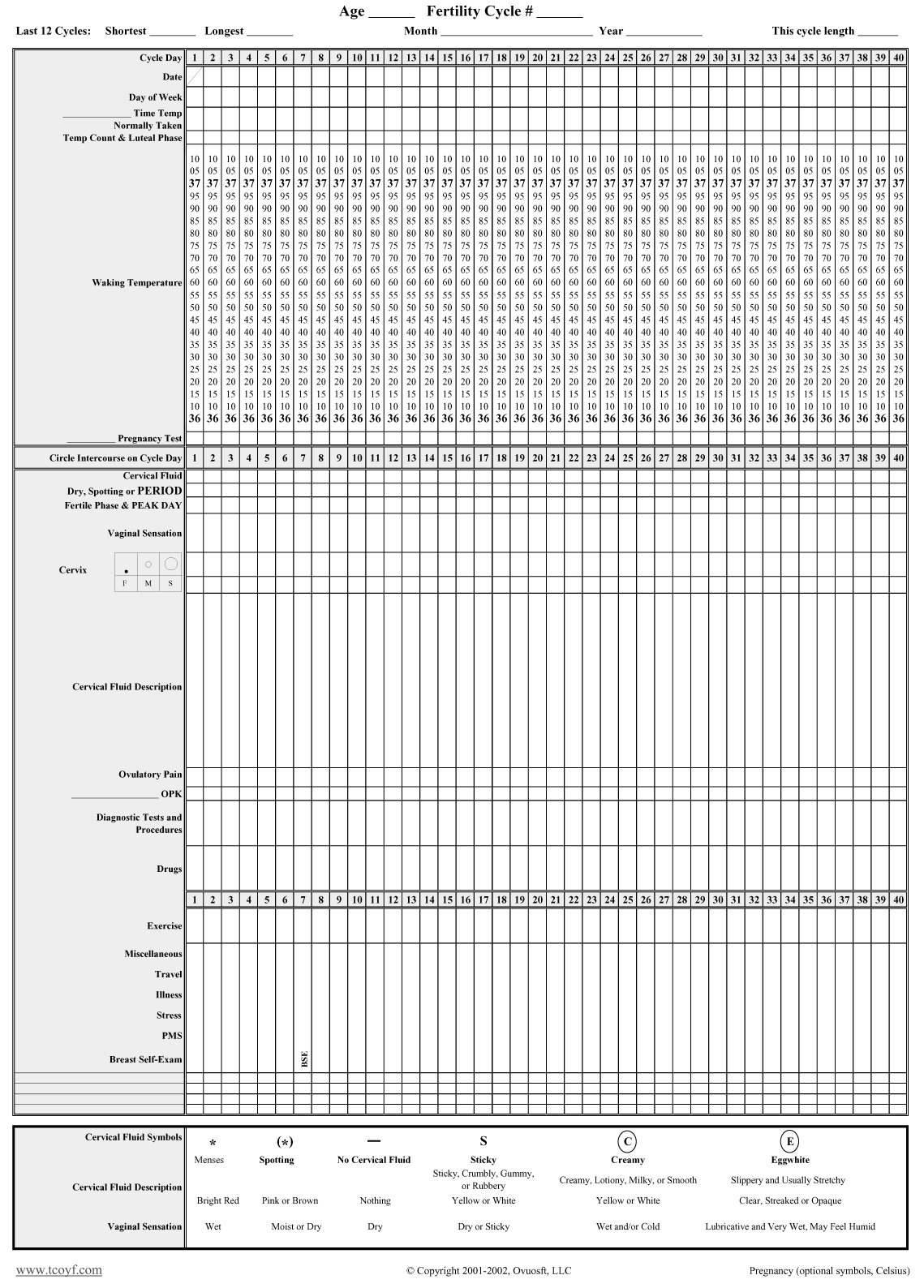
Are you having trouble with PMS, cramps, or infertility? Acupuncture can be a great resource for all issues related to the female reproductive system (and male, but that's another post!). One resource we've found helpful here is Taking Charge of your Fertility, whether you're trying to get pregnant or not. The foundation of TCOYF is to track your cycle using your body temperature. Just pop a thermometer in your mouth before you get out of bed every morning and chart it on a form like this:


Knowing when you're ovulating can help you predict mood swings, migraines, and any other cyclical issues you may have so you can get in for preventative acupuncture before your issues start!
If you're interested in learning more, check out these books at the Seattle Library:
Taking Charge of your Fertility
Cycle Savvy (for teens, a bit more readable with an emphasis on contraception rather than conception)

Friday, August 8, 2014

Summer and Fire

Summer is the time of year that resonates with the fire element in Chinese medicine. A healthy fire energy is expressed in a joyful, friendly manner and a clear and peaceful mind. Engaging in social activities, putting your energy into your community and enjoying social events are expressions of healthy fire energy. If we have not taken good care of ourselves in the winter and spring, it may be difficult to really flourish, like the plant life that is so luxurious and beautiful in summertime. For more tips on eating well to support your fire element, see Paul Pitchford's Healing with Whole Foods, from which the accompanying dietary tips for summer were taken.

The summer season, the most yang time of the year, is filled with abundant energy and lots of sunshine. It’s about the fire element, expansion, growth, activity, and creativity. Several thousand years ago, an ancient Chinese medical text, The Yellow Emperor’s Inner Cannon, contained the idea that to live a balanced life we should cultivate yang energy in the spring and summer, and protect yin in the autumn and winter. Here are some tips to help you promote the yang energy. 

    *Be active: * The heart is associated with the fire element, and it’s main function is to pump oxygen rich blood to your whole body. Getting your heart pumping will help keep it strong. Summer is an excellent opportunity to be active outside while having fun!
    Ancient Chinese physicians advised to awaken early in the morning and go to bed later in the evening. Follow the pattern of the sun. A midday rest is a great way to recharge.
    *Be happy: * In Chinese medicine, mental processes, memory, and emotional well being are all attributed to the heart and fire element. This is the time to live life to the fullest and embrace our potential. Gratitude is great way to nurture joy in our lives. Try starting off each day naming three things you’re grateful for.
    If our fire element is in balance, we will sleep calmly and our hearts are strong and healthy. If it becomes imbalanced we may have insomnia, rhythmic disturbances in our hearts, depression or mania.
    *Modify your diet: * Eat lighter and cooling foods. Summer is the time to eat more vegetables, salads, fish and seafood. Eat with the seasons! Avoid eating a lot of meat and fried foods this time of year since those are warming in nature. Add pungent flavors to your diet such as spices, chili peppers, garlic and onions. Pungent flavors “wake up” the senses. They tend to open the flow of energy in your body and can improve metabolism. As always, eat in moderation.
    Live joyfully in the moment, get lots of sunshine, and enjoy summer!

Wednesday, July 9, 2014

Community Acupuncture Worldwide

Have you ever wanted to refer an out-of-town friend or family member to a clinic like The Pin Cushion? Visit www.pocacoop.com/clinics for the most up-to-date information on community acupuncture clinics worldwide!
POCA also has information on cooperatives, how to become an acupuncturist, even free treatments for you and your friends! Join POCA today and help support the organization that started it all!
www.pocacoop.com

Wednesday, June 18, 2014

Summer Special!

Visit The Pin Cushion Wednesdays 11am-3pm and see Erin for $5 off through July!